

Design Technology
Our Vision: “To enable children to make sense of the ‘made world’ in which they live through applying their substantive and disciplinary knowledge to design solutions to solve problems, preparing them for work in design industries.”
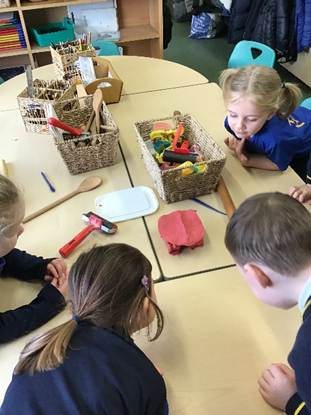
Design Technology Curriculum
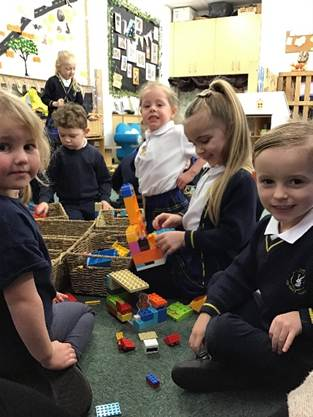
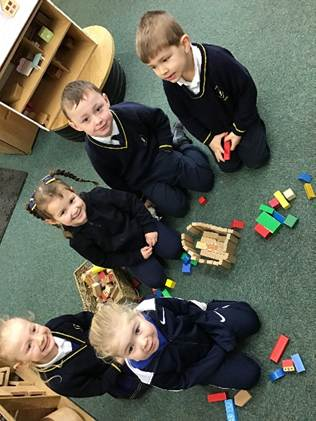
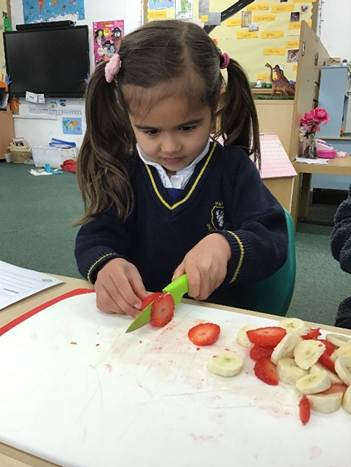
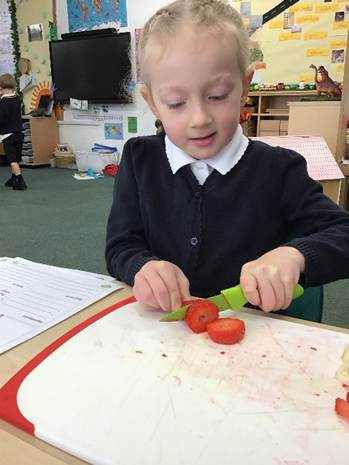
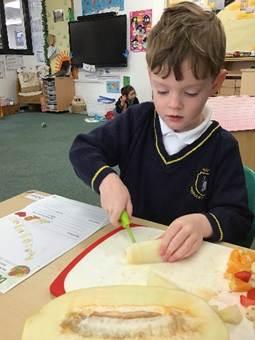
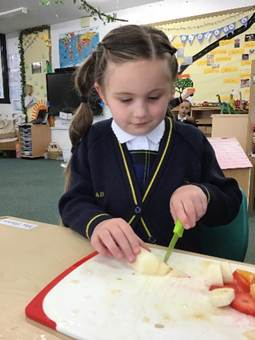
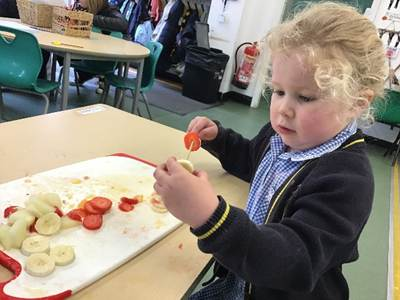
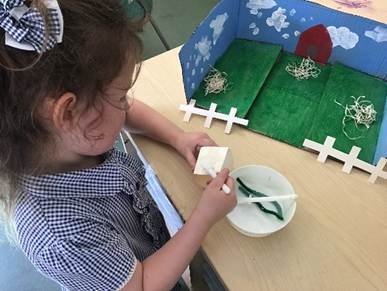
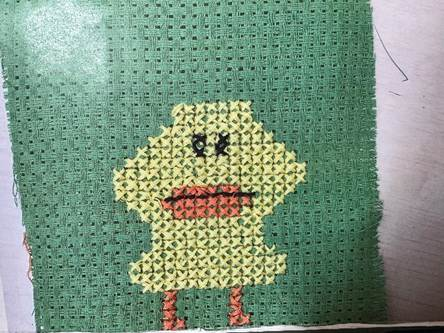
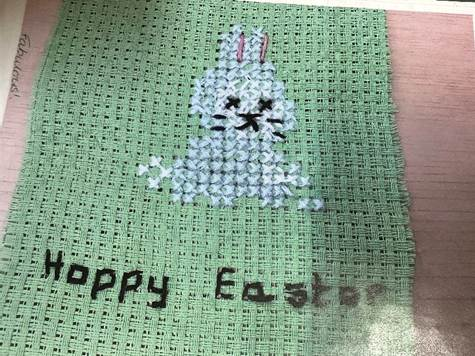
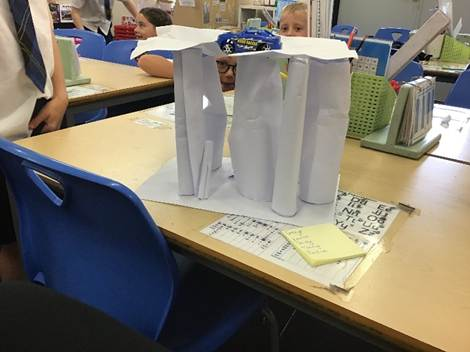
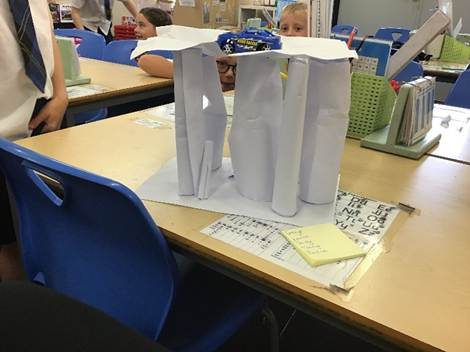
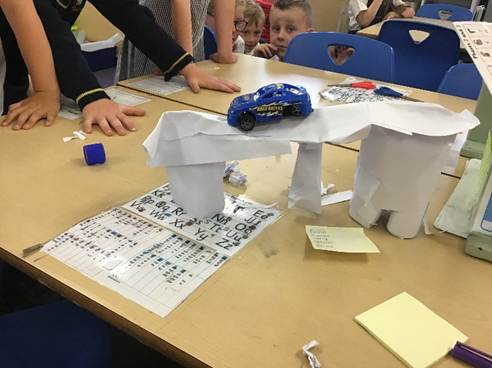
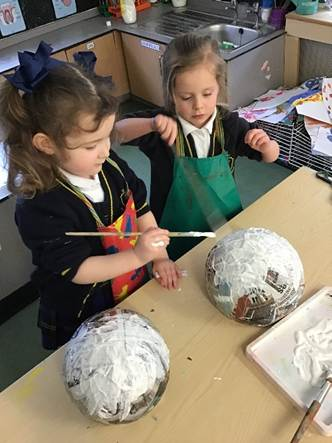
Through our design technology curriculum we aim to develop children’s skills and knowledge in design, structures, mechanisms, electrical control and a range of materials, including food. We encourage children’s creativity and encourage them to think about important issues locally and around the world.

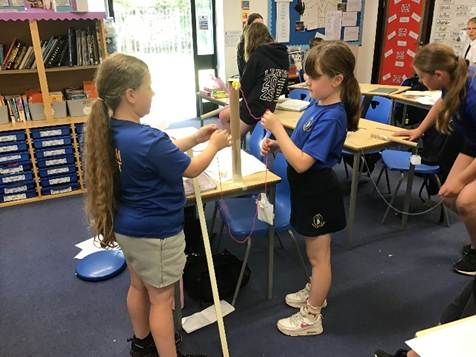
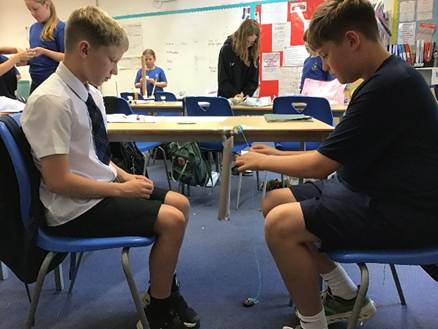
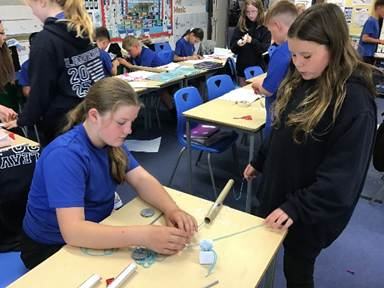
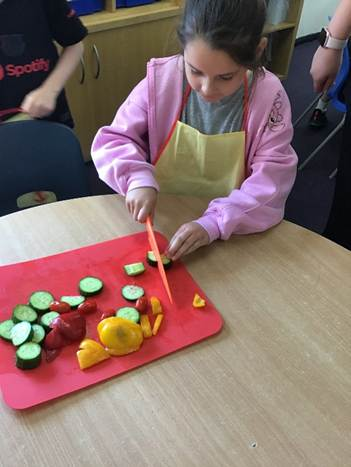
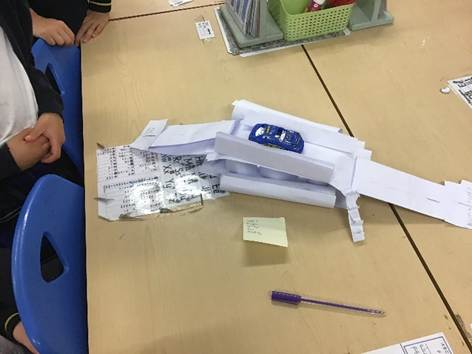
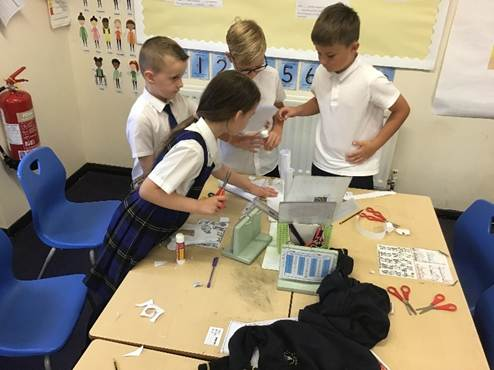
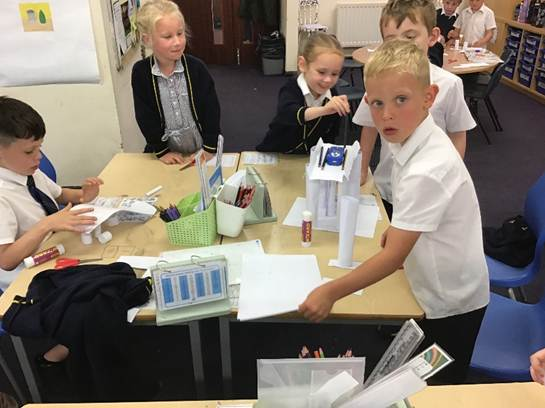
In the design and technology curriculum, technical knowledge is a key element that helps pupils understand how products work and how they are made. Children learn about the properties of different materials, how to use tools safely and accurately, and how mechanisms such as levers, pulleys, wheels, and axles function. As they progress, they also explore basic electrical systems, structures, and they explore food technology throughout their schooling starting in Early Years. This knowledge is taught through practical, hands-on activities that encourage children to investigate, test, and apply what they’ve learned to real-life design challenges, building a strong foundation for further learning in later key stages.
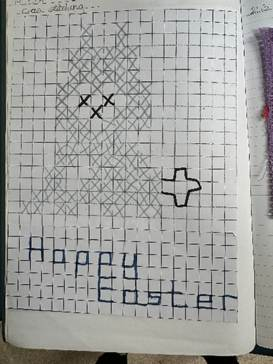
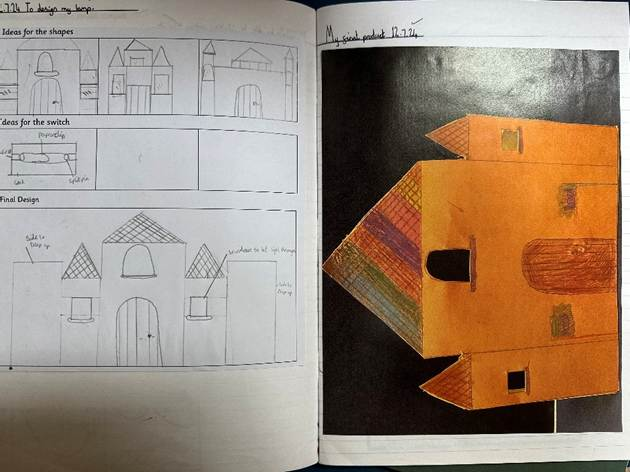
Within our DT curriculum, the disciplinary knowledge refers to the way children think and work like designers and engineers. It involves learning how to follow a design process—researching, planning, creating, testing, and evaluating products. Pupils are taught to make decisions based on evidence we research prior to designing, reflecting on what works well and what could be improved. They can then design and adapt their ideas accordingly. This approach encourages critical thinking, creativity, and resilience, helping children to understand not just what they are making, but why and how design choices impact function, user needs, and sustainability.
What does it mean to be a designer?
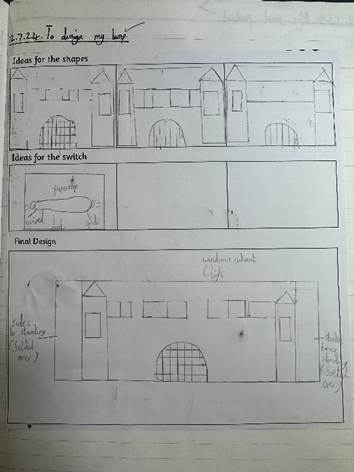
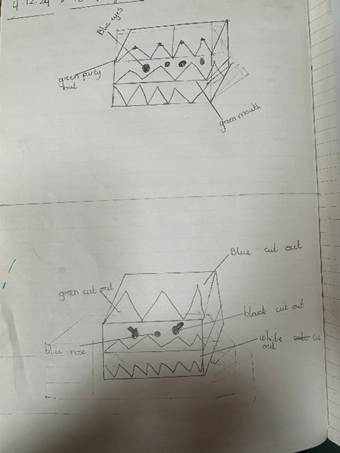
In our Design and Technology curriculum, our children take on the role of designers and use their creativity and practical skills to solve real-life problems. They explore how products are made, learn to design their own and test these ideas. Finally, they evaluate how good their product was and how they could improve upon this next time. Being a designer allows them to use their own interests and ideas to create unique products for a specific purpose. Being a designer at our school is also giving the children hands on experiences of creating designs and is building on their confidence, resilience and team working skills.
Why is Design Technology important at Hart Primary?
Design and Technology at Hart Primary School aims to inspire children to be innovative and creative thinkers who have the appreciation of the product design. Through the design, make and evaluate process. We want children to develop the confidence to take risks, through creating design concepts, modelling, testing and to be reflective learners who are able to evaluate their own and others’ work. We want our children to have an awareness of the impact that Design and Technology has on our lives and encourage children to become resourceful, enterprising citizens who will have the skills to contribute to future design advancements.
What does Design Technology look like at Hart Primary?
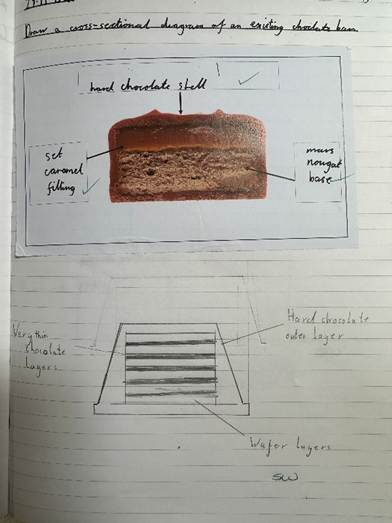
Design Technology is an important part of the children’s entitlement to a broad and balanced curriculum. It is taught through a variety of creative and practical activities. Pupils are taught the knowledge, understanding, skills and vocabulary needed to engage in the process of designing, making and evaluating. We engage our children through activities which involve investigating and evaluating existing products, focused tasks in which children develop particular aspects of knowledge and skills and then designing and making in which the children design and make ‘something’ that fits a given design brief. The children develop the ability to follow and then create a design specification for their product and are encouraged by the end of KS2 to create their own design specification which would enhance the given design brief and explain the rationale behind them.
Design and Technology Knowledge Organisers:
| Design Technology | ||||||
| Cycle A | ||||||
| Term: | Au 1 | Au 2 | Sp 1 | Sp 2 | Su 1 | Su 2 |
| EYFS | Cutting (Scissors) and Joining | Purposeful Construction | Healthy Eating | |||
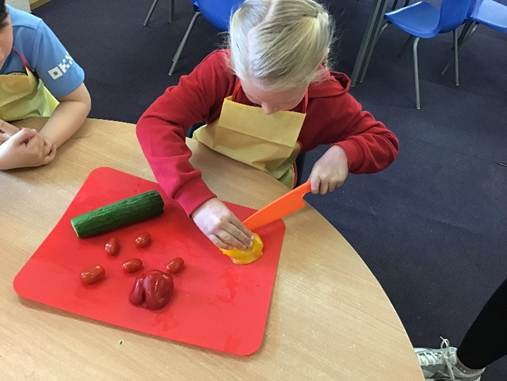
| Y1/2 | Sliders and Levers | Sensational Salads | Structures | |||
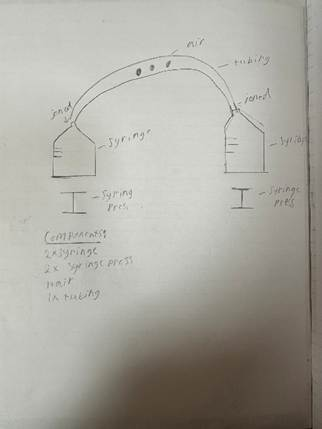
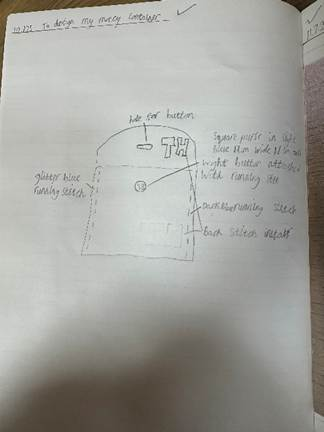
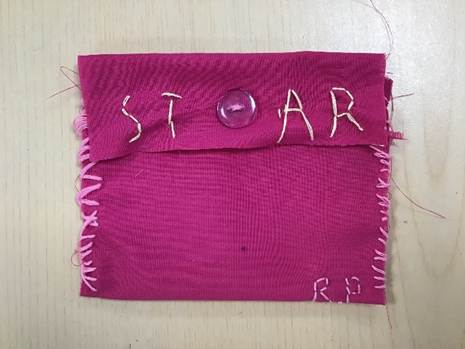
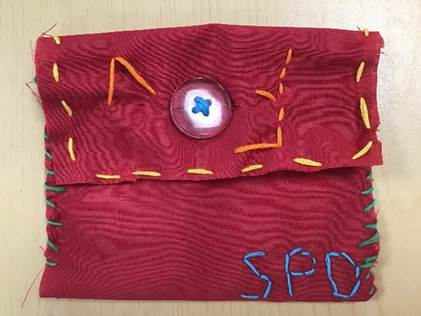
| Y3/4 | Pneumatics | Edible Garden | Textiles: Anglo-Saxon Purses | |||
| Y5/6 | CAD – Sustainable Architecture | Baking Global Foods | Mechanical Systems | |||
| Cycle B | ||||||
| Term: | Au 1 | Au 2 | Sp 1 | Sp 2 | Su 1 | Su 2 |
| EYFS | Healthy Eating – Soup | Sculpting – Clay | Textiles – Weaving | |||
| Y1/2 | Cooking and Nutrition – Pizzas | Mechanisms – Wheels and Axels | Textiles – Puppets | |||
| Y3/4 | Structures – Exploded Diagrams | Mechanisms using levers and linkages | Electrical systems – Skyline with lights | |||
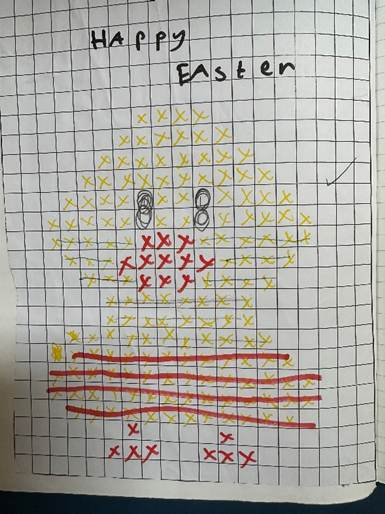
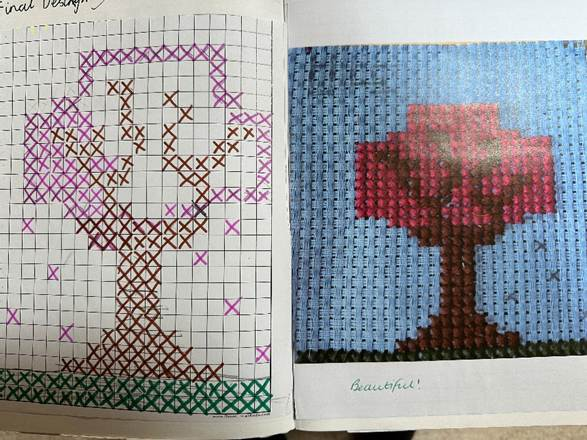
| Y5/6 | Mechanisms – Using CAMS | Textiles – Cross Stitching | Global Food | |||
Statement for SEND
Hart Primary School promotes a curriculum that puts all pupils, regardless of their needs, at the heart of what we do. By building mutual respect, we accept others for their differences believing that everyone is special and everyone has something to offer. Our inclusive and enriching curriculum, written for all children, provides pupils with meaningful and aspirational experiences as well as promoting personal growth for life-long learning. When the curriculum needs adapting, to suit the needs of individual children, appropriate modifications are made by the class teacher with support of the SENDCo and the Curriculum Subject Lead.
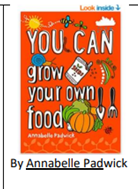
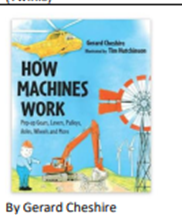
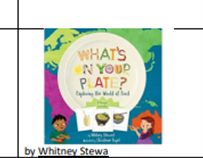
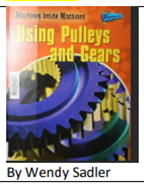
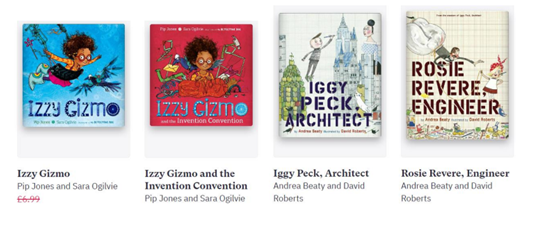
Our DT Reading Spine
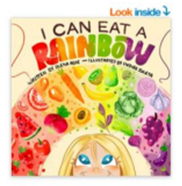
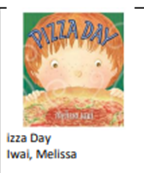
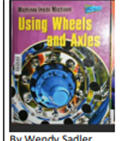
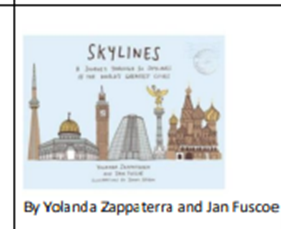
Here are some books we use to support our curriculum.
EYFS
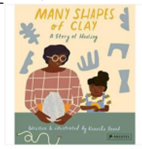
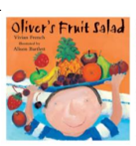
Year 1 and 2
Year 3 and 4
Year 5 and 6
General Design and Technology books for all ages
Cultural Capital
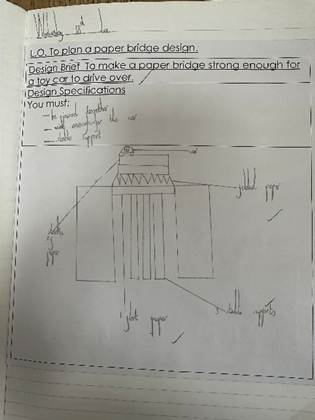
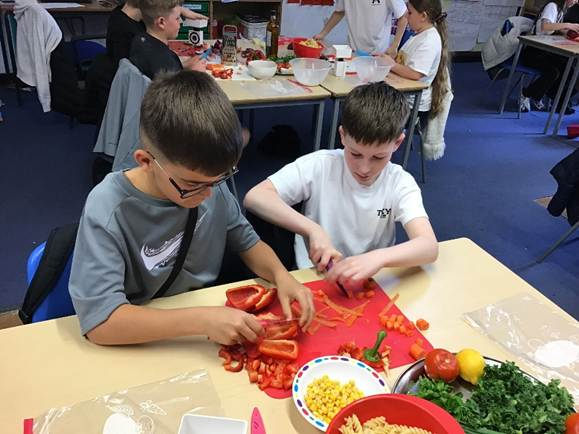
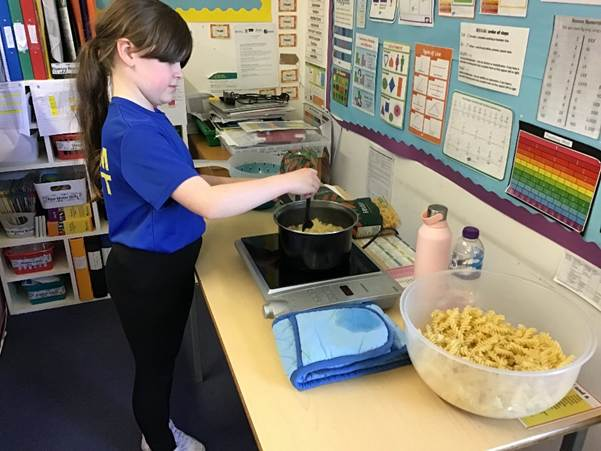
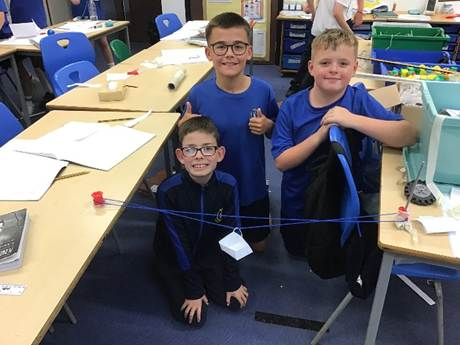
Our curriculum is designed so all children are active participants in the research, design, make and evaluate process. They actively create their own products and work together to evaluate and improve their work. Children are all unique human beings and our design technology curriculum allows them to be hands on, exploring, researching and creating. The children are able to use their hands to explore materials, to twist, to turn, to bend, to mold, to cut, to tear, to join, to draw and to label. They are given many opportunities to explore and experience all those wonderful haptic moments which are essential to developing as a human being. We provide opportunities to learn about design technology around the world and it is through the hands-on projects the children are able to explore and learn about influential designers and inventors from diverse cultures. The children research various bridges, they cook using various seasoning and ingredients. They research skylines around the world and how electricity is used to light these. These experiences give pupils a deeper understanding of the world around them and prepare them to be confident, innovative citizens.
Useful Links for Parents:
Institution of Engineering and Technology
Key Documents
Design and Technology Curriculum Overview
National Curriculum DT KS1 and KS2
More information about our curriculum can be obtained by contacting your child’s teacher or the school office. Thank you